Replacing the model shoot — one AI-generated lifestyle image at a time.
Academy of Sports needed lifestyle photography for thousands of SKUs — everything from running gear to fishing tackle to swim equipment — without the cost or timeline of traditional shoots. I built and ran the pipeline that turned raw product photography into production-ready lifestyle imagery: 3,000+ images across a 1.5-month production run, at a sustained 70–100 a day.
A catalog that doesn't photograph the same way twice.
Academy of Sports' catalog spans categories that don't photograph the same way twice — running accessories, roller skates, pool inflatables, swim gear, fishing tackle, hunting equipment. Traditional lifestyle photography for a catalog at this scale would mean booking models, locations, and studio time for every SKU, category by category, on a timeline retail can't afford.
The brief: take the raw product photography that already existed for every SKU and generate realistic, on-brand lifestyle imagery — a person actually wearing, using, or holding the product in context — at a volume and speed no shoot calendar could match, without it looking synthetic or generic.
Owning the pipeline end-to-end.
I owned the pipeline end-to-end: turning a spreadsheet of SKU data into a repeatable production process, writing and refining the prompts, and building the quality bar the output had to clear before it reached review.
From spreadsheet to shot.
Every batch started as a SKU log — product ID, category, color variant, and the raw product photography on file. Working from that data, I developed a repeatable process to composite each product onto a human model in a real-world setting, rather than generating a person and product from scratch each time.
Research before the prompt. For anything mainstream — apparel, running accessories, swimwear — a prompt could draw on common knowledge of how the product is worn or used. But a large share of the catalog wasn't mainstream. Fishing lures, hooks, and tackle; hunting and shooting accessories; niche sporting equipment — products with no obvious "lifestyle" reference point, and no room for a generic AI guess. Before a prompt could be written, I had to research the product itself: how it's actually held, rigged, mounted, or used, from every angle the source photography offered. A fishing lure prompted without that research renders as a shape floating in a hand; one grounded in how it's actually rigged and cast renders as something a customer recognizes.
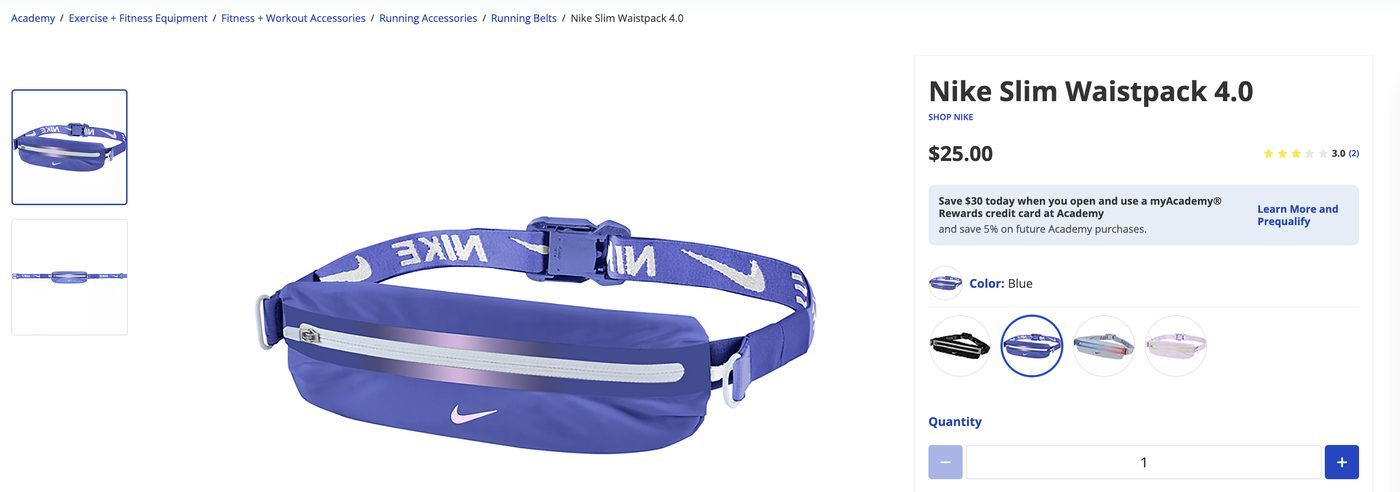
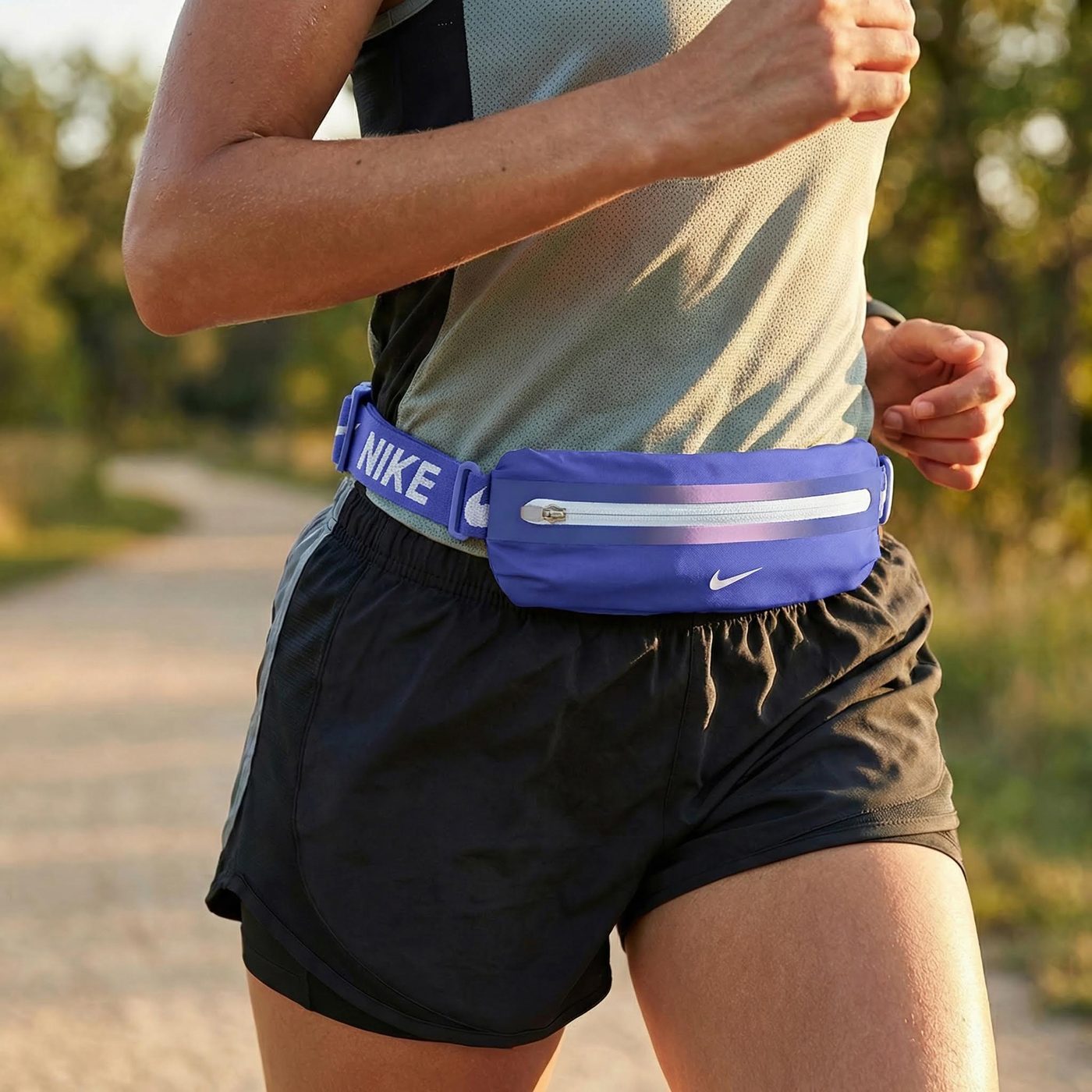
Prompting for the product's context, not just its look. The goal wasn't a photorealistic render — it was a photorealistic render that understood what the product was for. That meant encoding not just color and geometry into the prompt, but use case, orientation, and setting: a waistpack sits at the hip mid-run, not draped over a shoulder; a fishing bait is rigged and mid-cast, not lying inert in an open palm.
Generation at volume. Once a prompt pattern was validated for a category, it was applied across every color and size variant in that category — the mechanism that sustained 70–100 assets a day, and 3,000+ images across the project's 1.5-month run, without writing a new prompt for every SKU.
One validated prompt pattern, three color variants generated in the same batch — CK Wrestling Headgear.
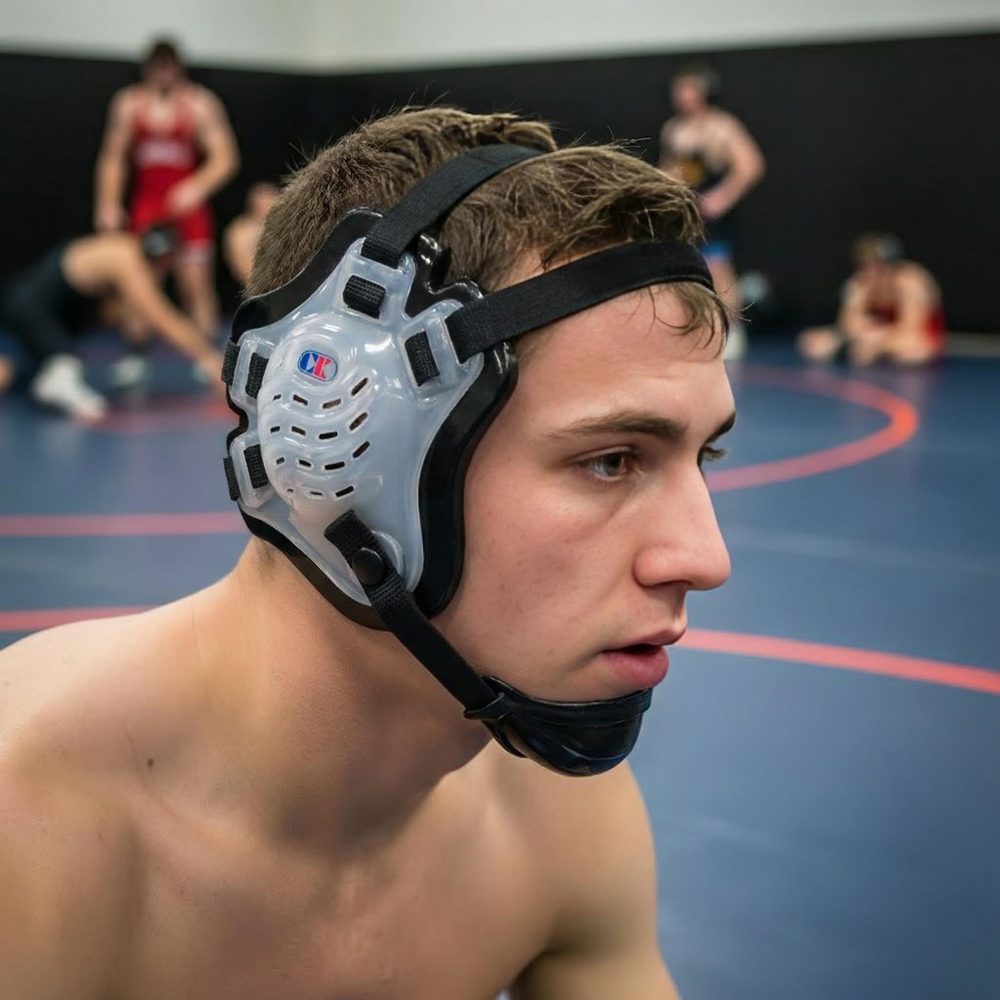
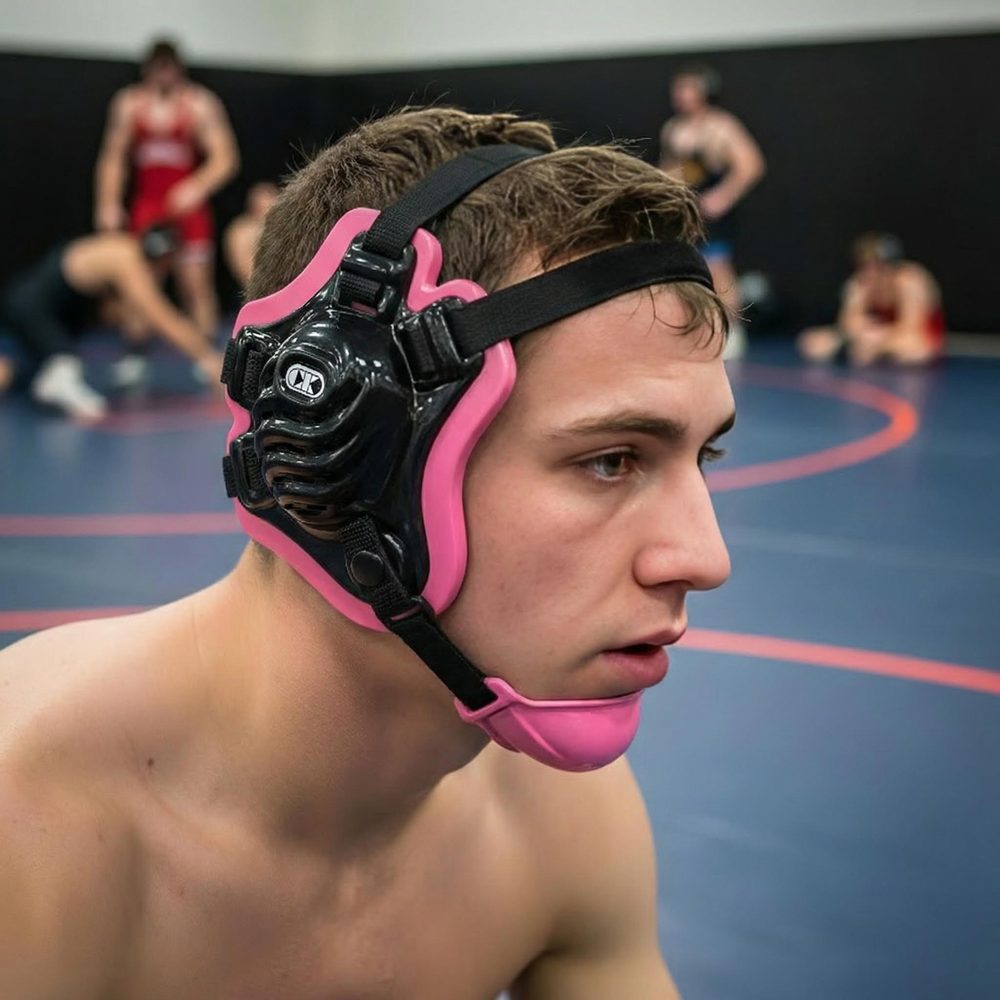
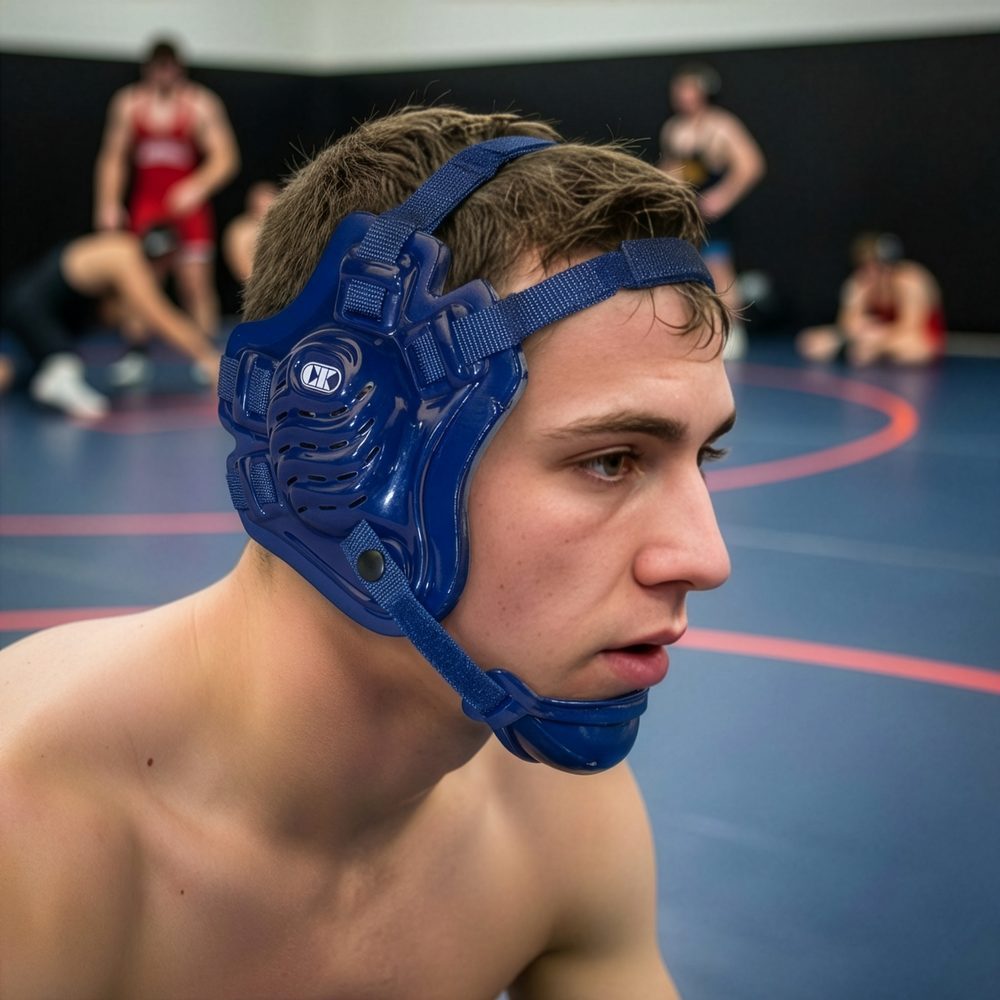
Generating the image was the easy half.
The harder discipline was knowing which ones were good enough to ship — and catching the ones that weren't before they reached a stakeholder review. I built a three-way triage that every generated asset passed through: Passed (ready to publish), To Be Retouched (usable with targeted fixes), or Rejected (regenerate from scratch). Across one representative production batch of 197 SKUs, the split looked like this:
The single most common defect, by a wide margin: AI-mangled text and logos. Branded products live or die on legible logos and labels, and diffusion models are notoriously unreliable at rendering small text.
The rejection pile told a different story — one about product accuracy rather than rendering artifacts: a bait shown lying in the frame instead of rigged for use, a mount shown the wrong way, a compartment that didn't match the actual product, a hook that had gone missing entirely between generations. Catching these required actually knowing the product — which is what made categories like fishing tackle and hunting gear the hardest in the catalog, and the ones that most rewarded the research done up front.
Product by product. Category by category.
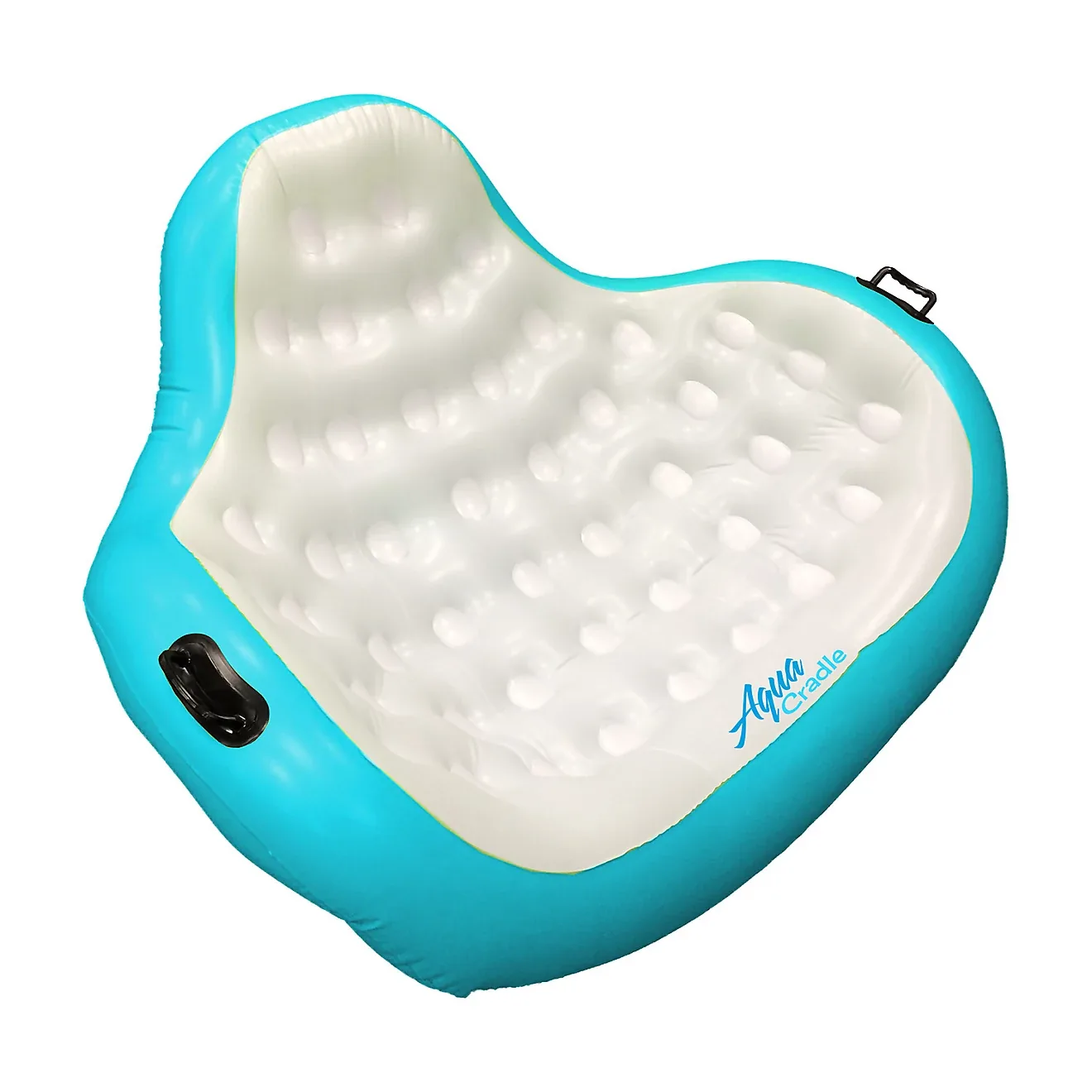
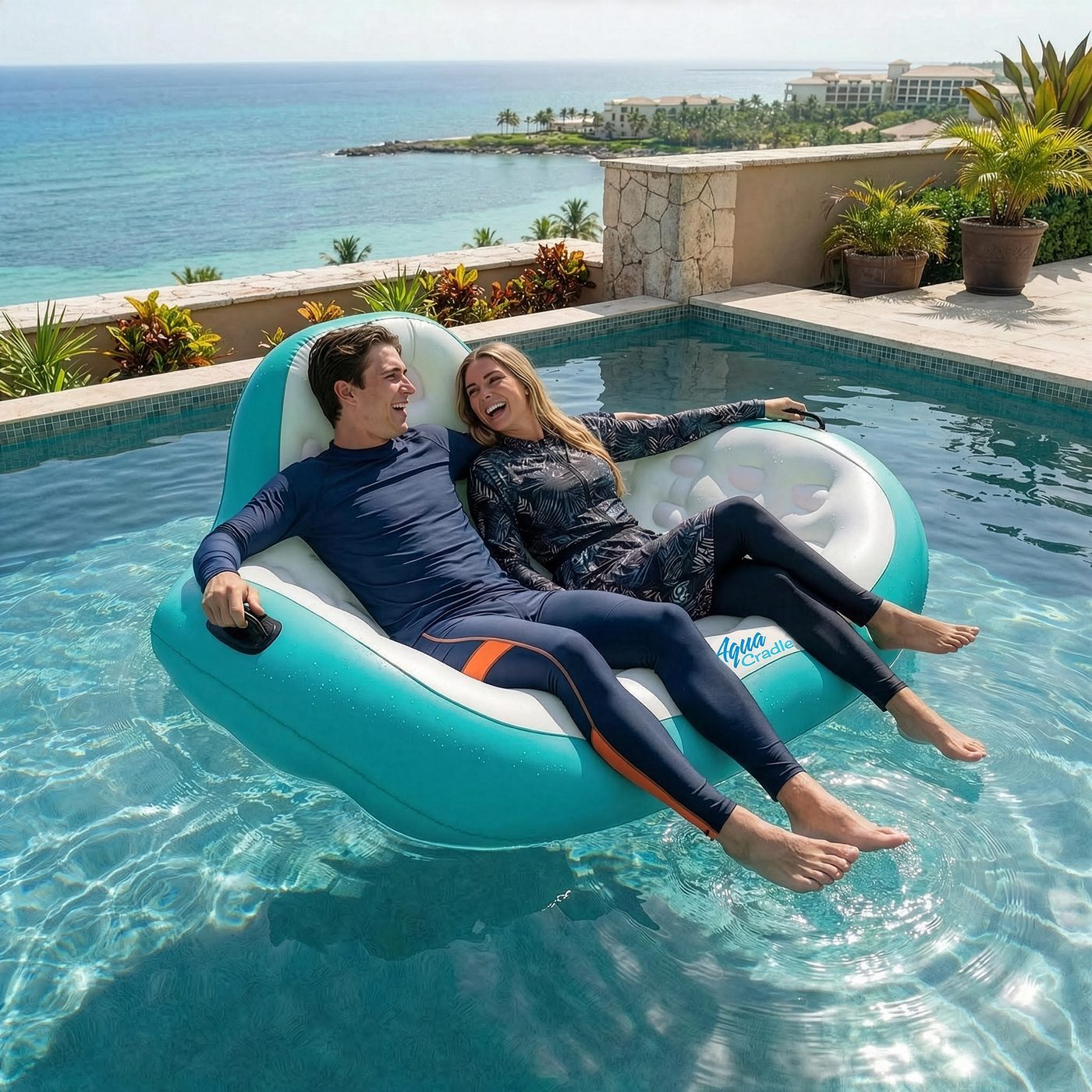
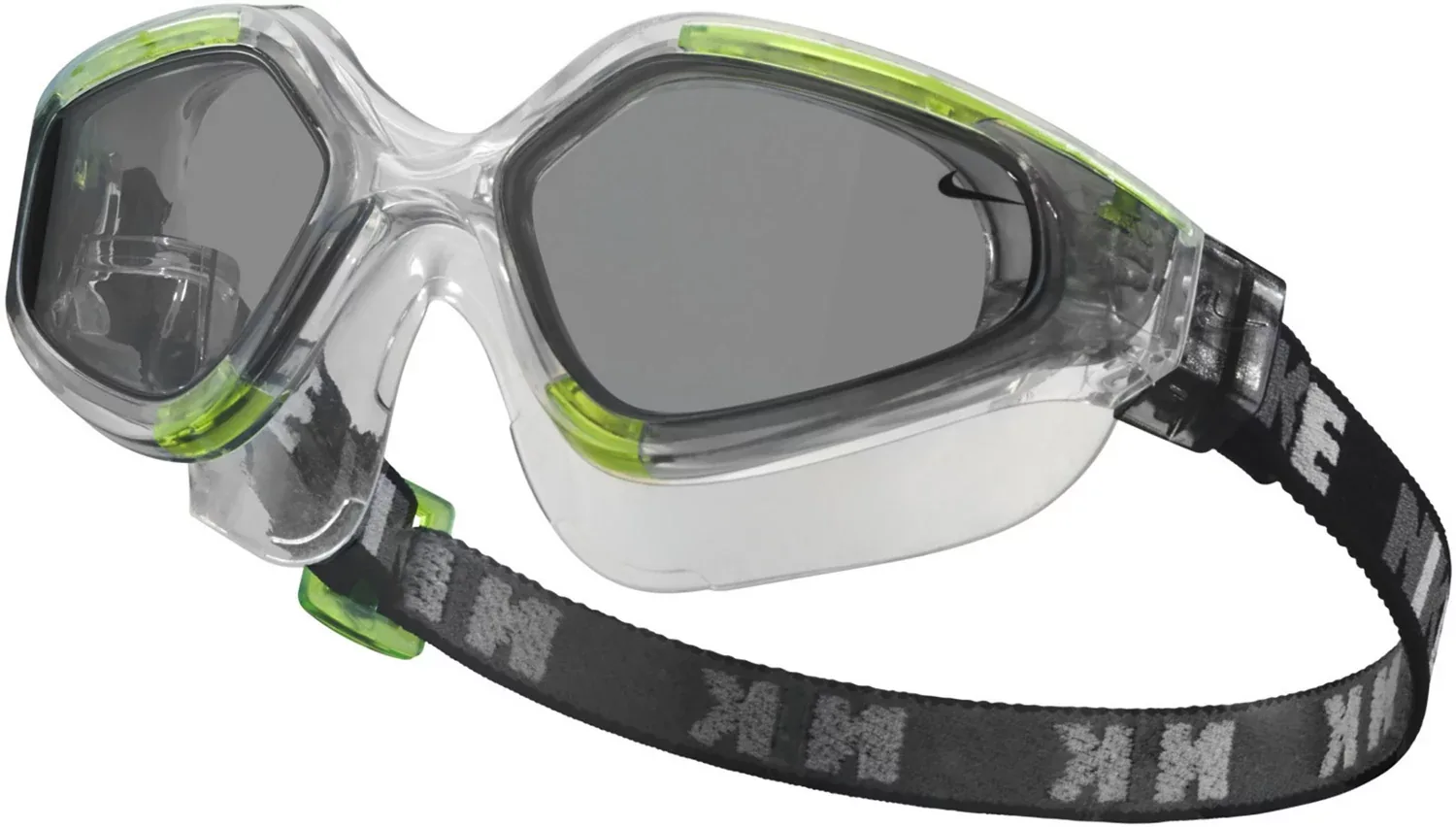
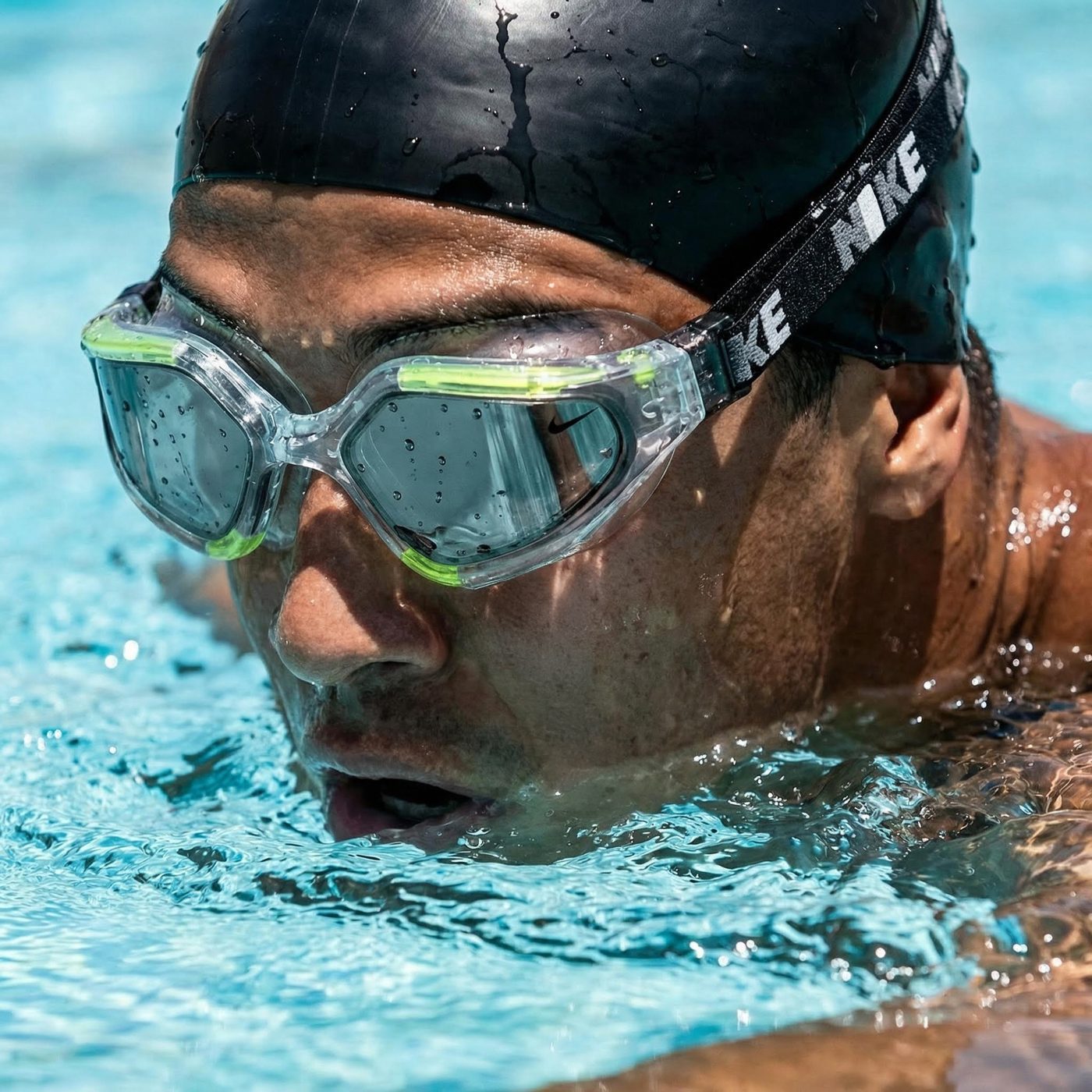
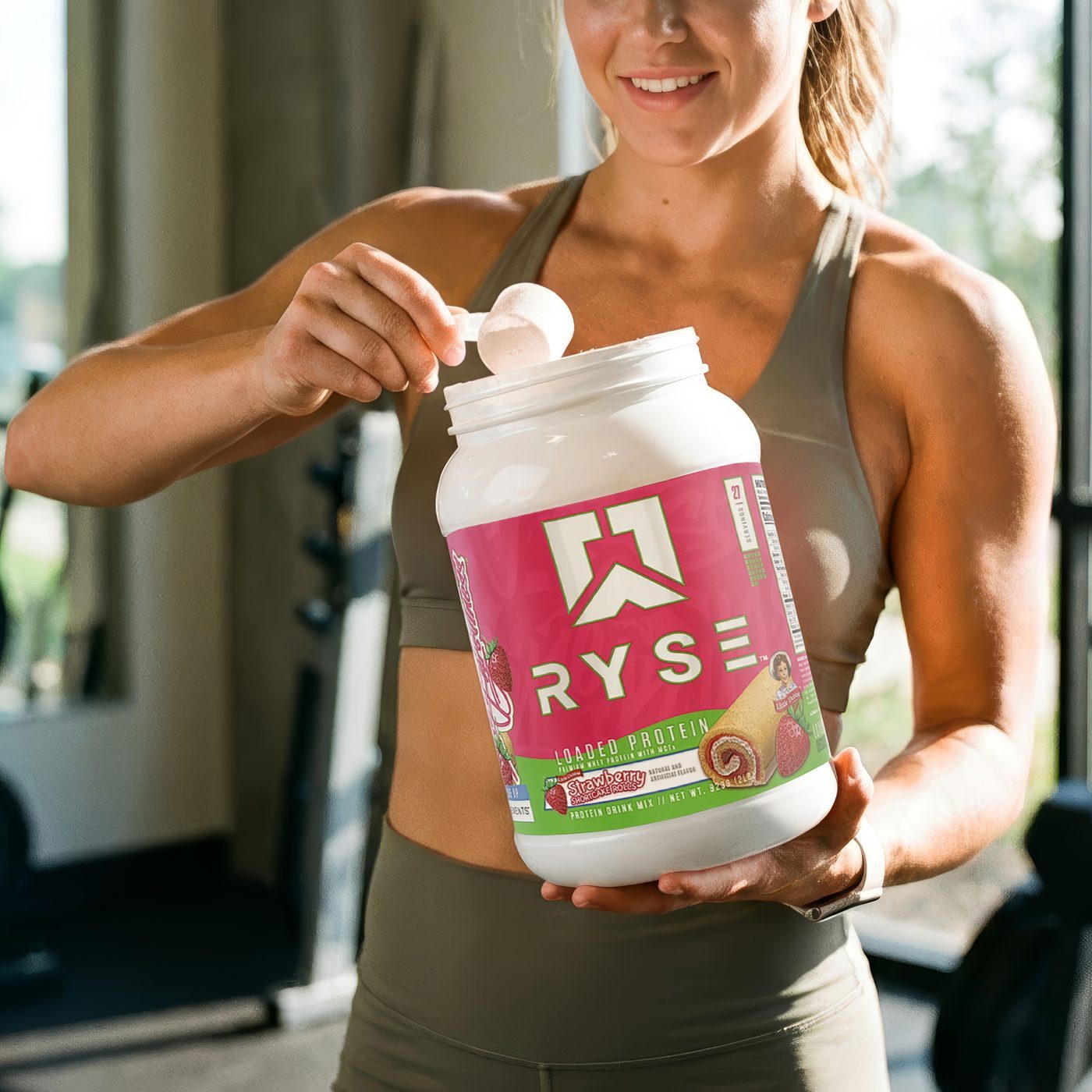
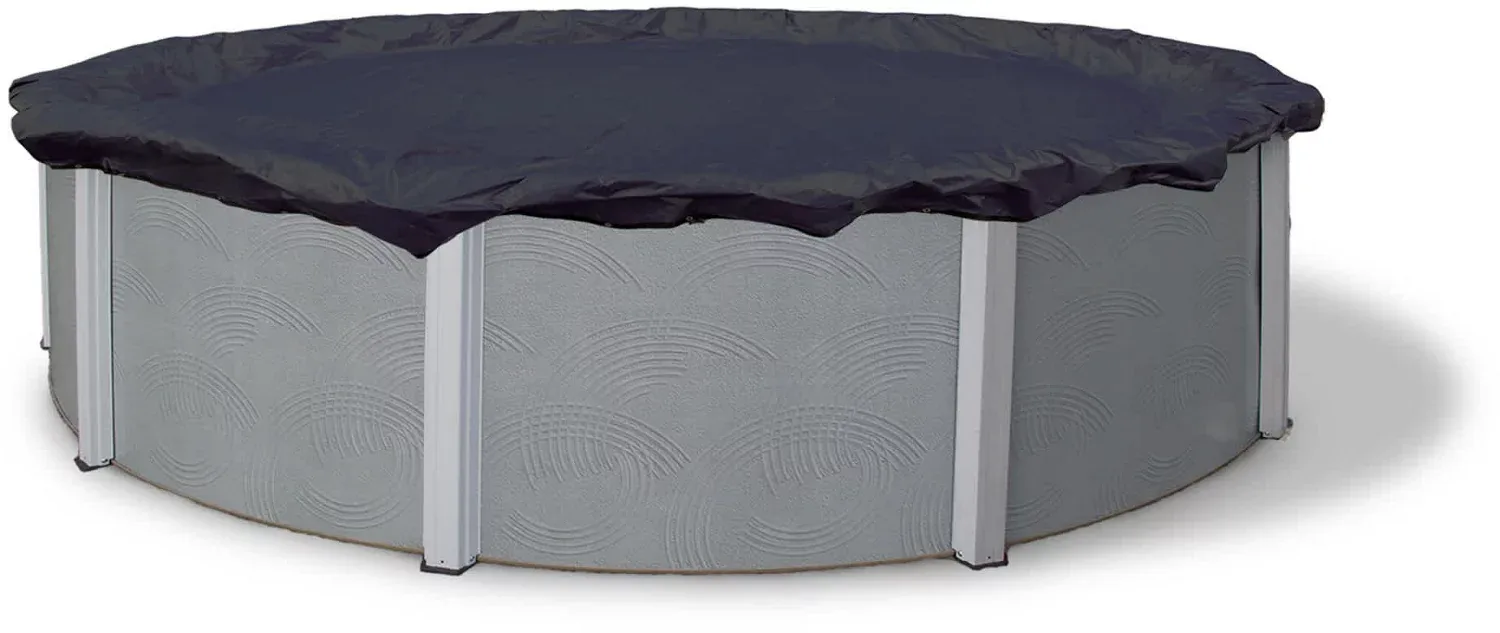
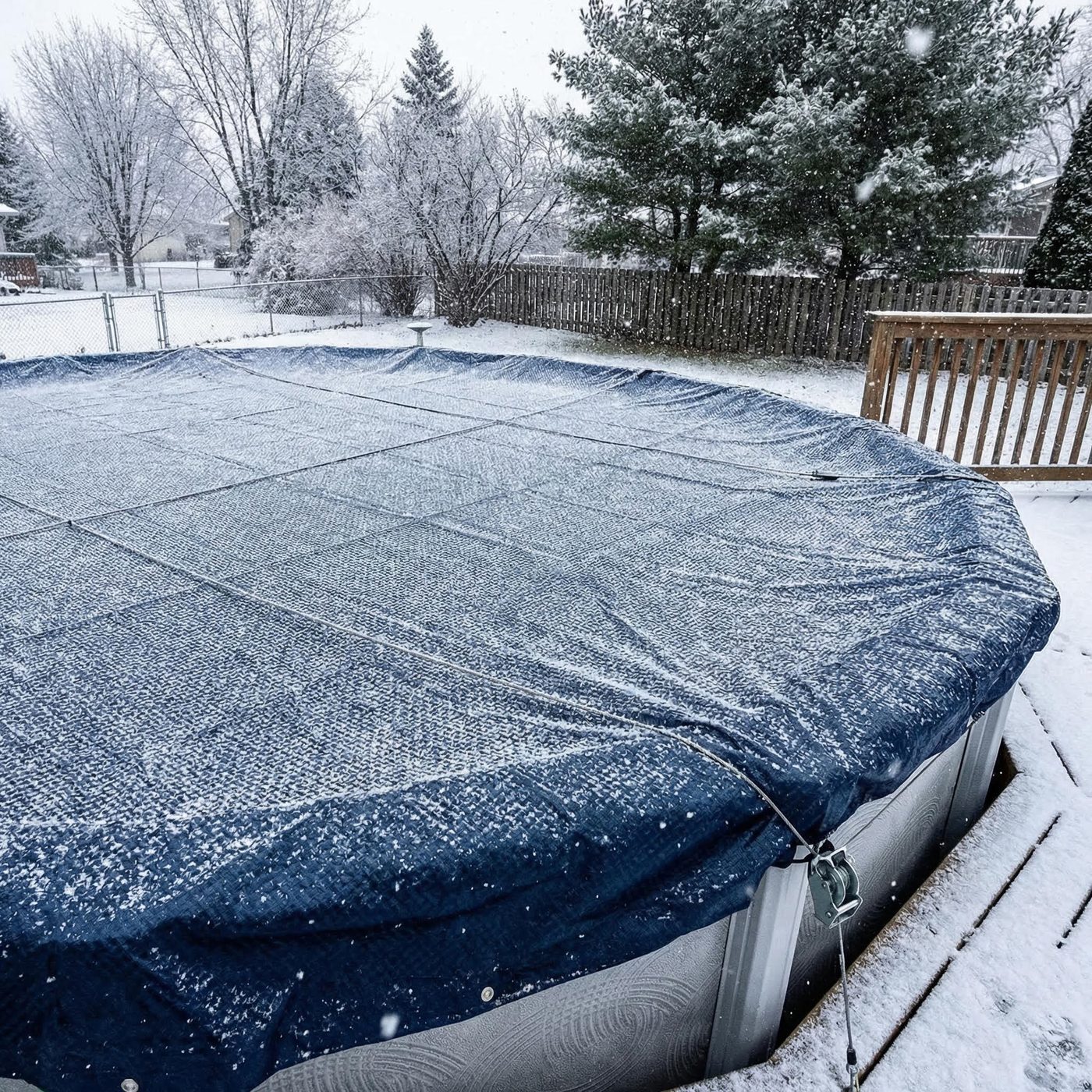
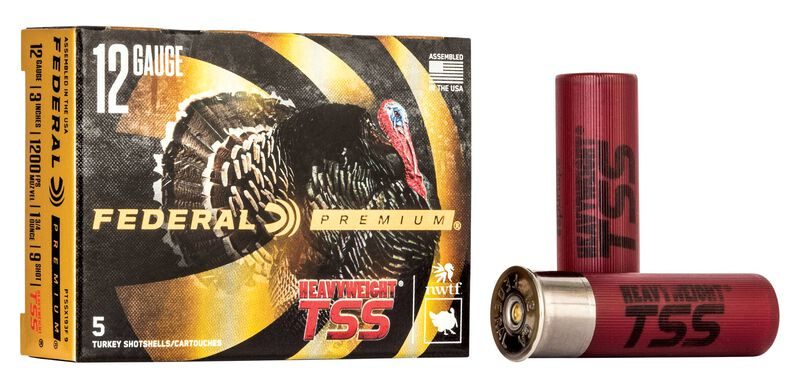
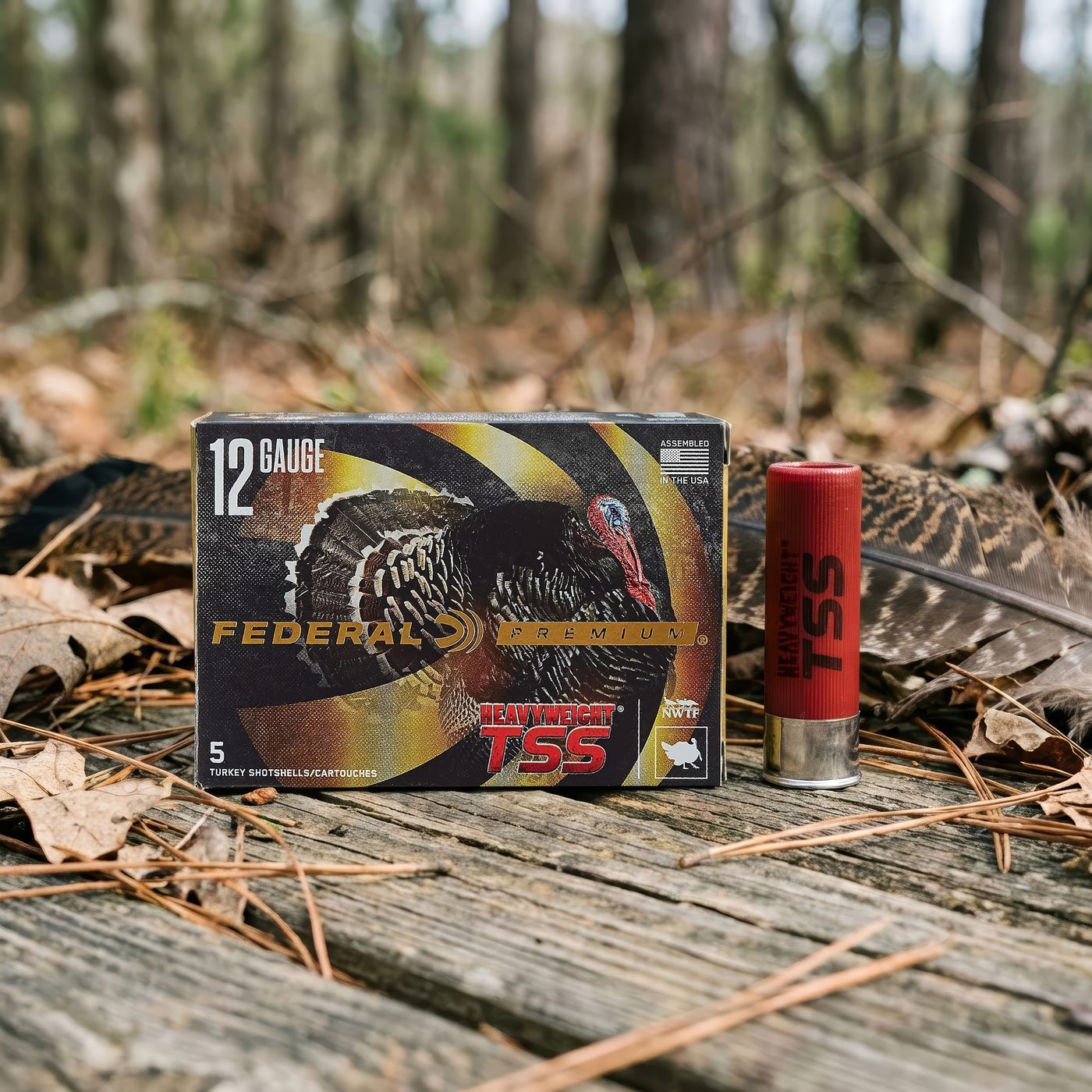
A representative cross-section of the pipeline's output — spanning running accessories, water recreation, swim, nutrition, and hunting gear. Left: the raw product photography on file. Right: the generated lifestyle output.

The bottleneck moved from budget to research.
The pipeline didn't just cut cost — it changed what was possible on the timeline. Categories that would never have justified a dedicated shoot could now get the same lifestyle treatment as the catalog's best-sellers.
Accuracy beat elaboration, every time.
The best prompts weren't the most elaborate ones — they were the most accurate ones. Every hour spent understanding how a product actually works saved multiple regeneration cycles downstream.
Quality control turned out to be as much a design skill as prompt-writing: knowing what "wrong" looks like for a product you've never held requires the same research discipline as designing for a user you've never met.